🩺 What Is Irritable Bowel Syndrome (IBS)?
Irritable Bowel Syndrome (IBS) is a common, chronic disorder affecting the gastrointestinal (GI) tract, characterized by recurrent abdominal discomfort or pain associated with altered bowel habits. These symptoms may include diarrhea, constipation, or alternating between both. Despite its prevalence, IBS does not cause permanent damage to the intestines or increase the risk of serious diseases such as colorectal cancer.
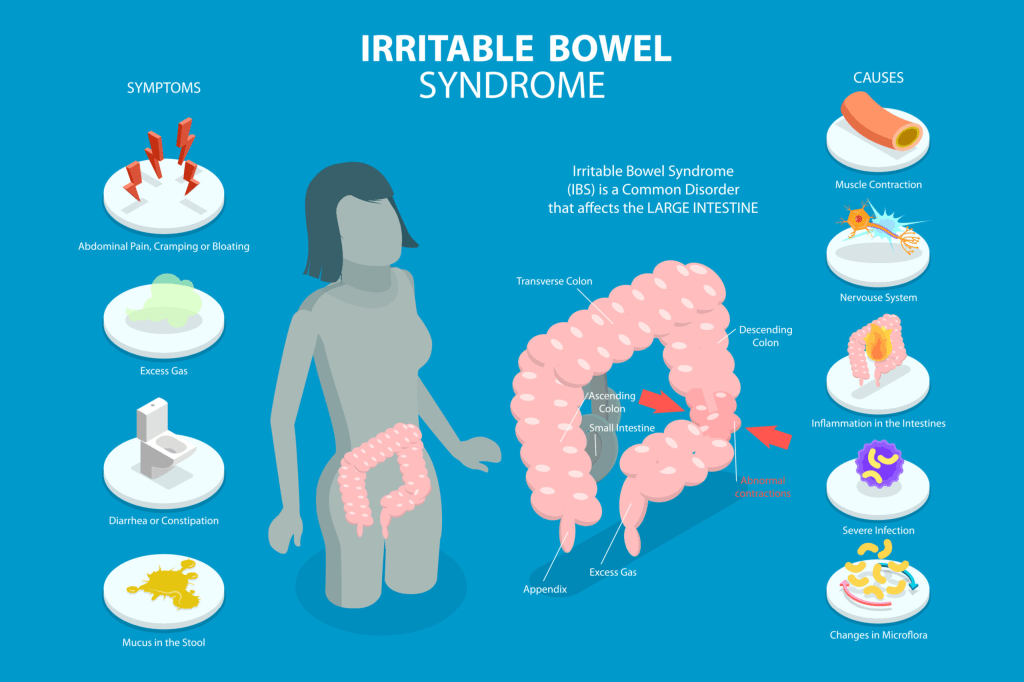
Common Symptoms:
- Abdominal pain or cramping
- Bloating and gas
- Diarrhea, constipation, or alternating between both
- Mucus in the stool
- A sensation of incomplete bowel evacuation
Causes and Risk Factors:
The exact cause of IBS is unknown, but it is believed to involve a combination of factors:
- Gut-brain interaction disturbances: Altered communication between the gut and brain
- Visceral hypersensitivity: Increased sensitivity to pain in the GI tract
- Gastrointestinal motility issues: Abnormal movement of the intestines
- Alterations in gut microbiota: Imbalances in the gut’s microbial community
- Psychosocial factors: Stress and anxiety can exacerbate symptoms
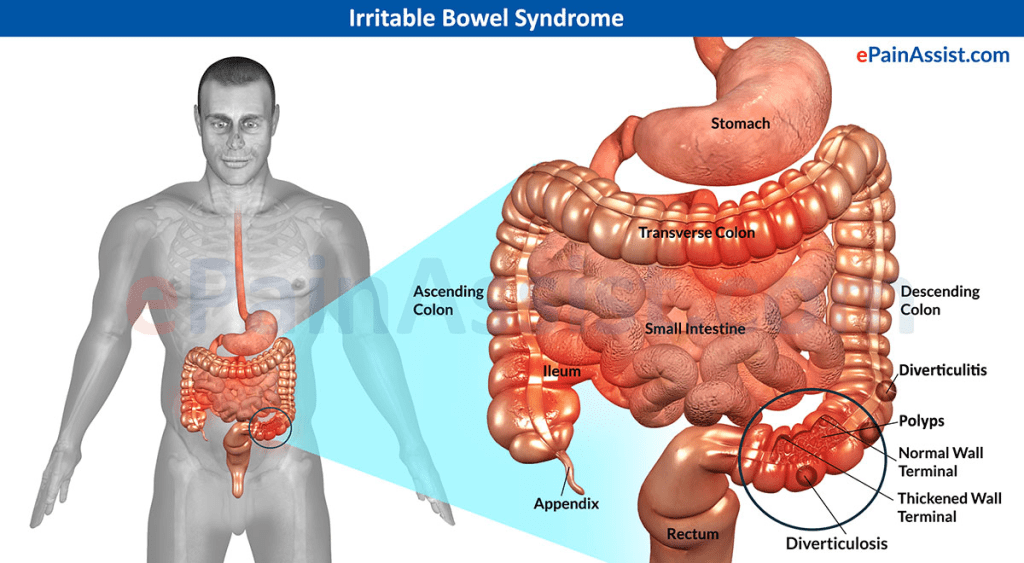
Diagnosis:
IBS is diagnosed based on clinical criteria, primarily the Rome IV criteria, which require symptoms to be present for at least one day per week over the past three months, with symptom onset at least six months prior to diagnosis. Diagnostic tests are typically conducted to rule out other conditions.
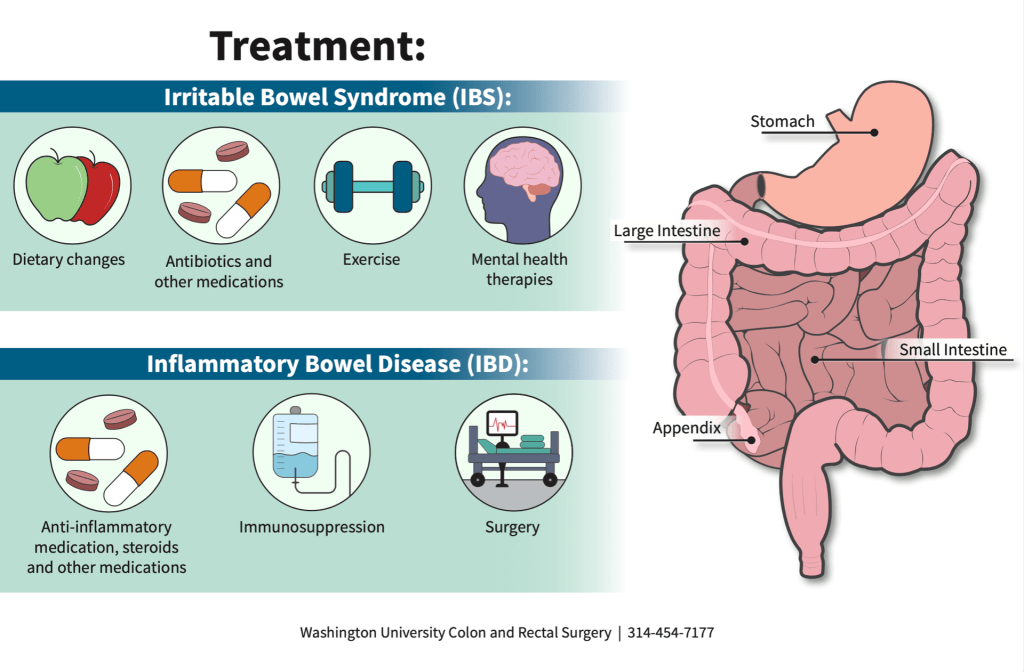
Treatment:
While there is no cure for IBS, symptoms can often be managed through:
- Dietary modifications: Implementing a low-FODMAP diet, increasing fiber intake, and identifying food triggers
- Medications: Depending on symptoms, options may include antispasmodics, laxatives, anti-diarrheal agents, or medications targeting serotonin receptors
- Psychological therapies: Cognitive-behavioral therapy (CBT) and stress management techniques
- Lifestyle changes: Regular physical activity and adequate sleep
– Personally, I find Digestive enzymes such as these to help!
Prognosis:
IBS is a lifelong condition that can significantly impact quality of life. However, with appropriate management, many individuals can lead normal, active lives.
For more information, check out these reputable, accredited sources.
- Mayo Clinic: Irritable Bowel Syndrome Overview
- Merck Manuals: Irritable Bowel Syndrome (IBS)
- Cleveland Clinic: Irritable Bowel Syndrome (IBS)
- StatPearls: Irritable Bowel Syndrome (IBS)
 IBS Unfiltered