Managing IBS can be confusing, especially when it comes to food. What helps one person might not help another. This page explains some of the most common dietary approaches — including the well-researched Low-FODMAP Diet — so you can better understand what might work for you.
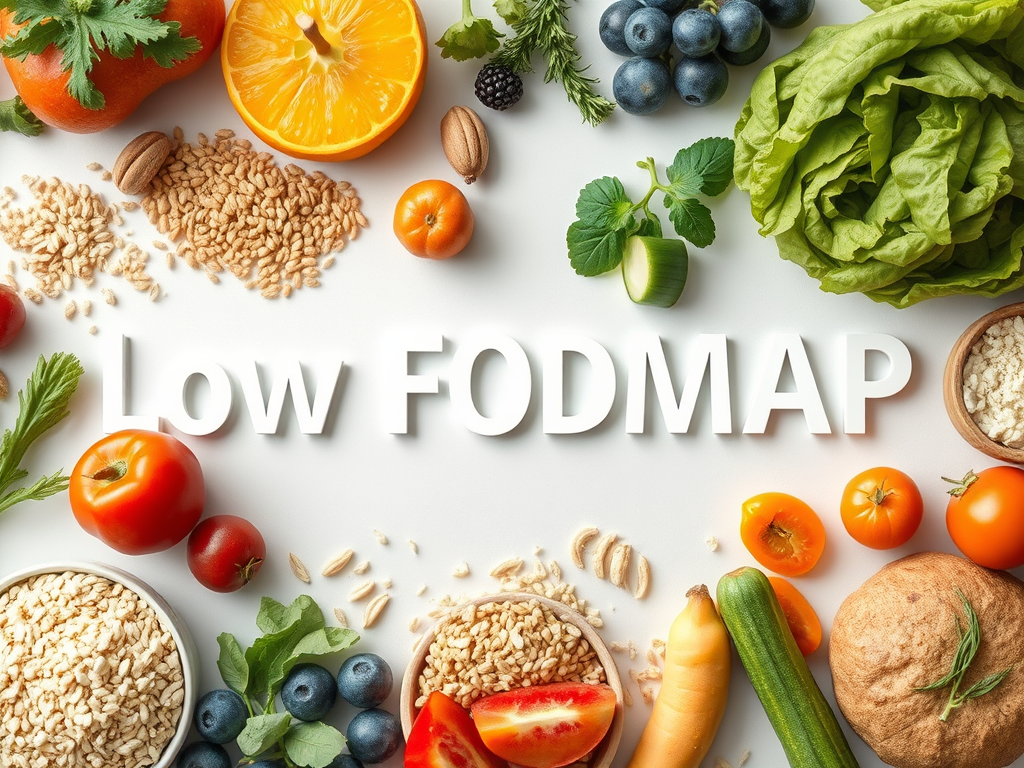
The Low-FODMAP Diet was developed by researchers at Monash University. It helps identify foods that may trigger IBS symptoms by temporarily limiting foods high in certain carbohydrates (called FODMAPs) that can ferment in the gut and cause gas, bloating, and diarrhea or constipation.
FODMAP stands for:
- Fermentable
- Oligosaccharides (e.g., wheat, onions, garlic)
- Disaccharides (e.g., lactose in milk)
- Monosaccharides (e.g., excess fructose in apples, honey)
- And
- Polyols (e.g., sorbitol, mannitol in some fruits and sweeteners)
The diet usually happens in 3 stages:
- Elimination: Avoid high-FODMAP foods for 4–8 weeks
- Reintroduction: Slowly reintroduce foods one group at a time to test tolerance
- Personalization: Create a long-term eating plan based on your results
⚠️ It’s best to follow the diet with a registered dietitian trained in the Low-FODMAP approach.
🥗 FODMAP Food Chart
| Category | Low-FODMAP (Generally Well-Tolerated) | High-FODMAP (May Trigger Symptoms) |
|---|---|---|
| Fruits | Bananas, blueberries, strawberries, oranges, kiwifruit, cantaloupe | Apples, pears, mangoes, cherries, watermelon |
| Vegetables | Carrots, zucchini, bell peppers, spinach, green beans, eggplant | Onions, garlic, cauliflower, broccoli (stems), mushrooms |
| Grains | Rice, oats, quinoa, corn, gluten-free bread/pasta | Wheat, rye, barley, regular bread/pasta |
| Dairy | Lactose-free milk, hard cheeses, Greek yogurt, plant-based milks (almond, oat) | Milk, soft cheeses, ice cream, cream |
| Legumes & Nuts | Firm tofu, peanuts, pumpkin seeds, small portions of lentils | Chickpeas, beans, cashews, pistachios |
| Sweeteners | Table sugar, maple syrup, stevia | Honey, high-fructose corn syrup, sorbitol, mannitol |
| Drinks | Water, tea, coffee (limit caffeine), peppermint tea | Soda, fruit juice, alcohol (especially beer, wine, rum) |
⚠️ Important Notes
- FODMAP tolerance is individual — some people can handle small amounts of “high” foods.
- The Low-FODMAP diet is temporary (usually 4–8 weeks) and meant to identify personal triggers.
- Always reintroduce foods with a dietitian’s guidance when possible.
For more information about FODMAP you can visit Monash University FODMAP Research Team (https://www.monashfodmap.com)

Add Other Dietary Approaches
- High-Fiber Diet (for IBS-C): Helps with constipation when introduced gradually.
- Modified Gluten-Free Diet: Some people find symptom relief by limiting gluten, even without celiac disease.
- Reducing Caffeine & Alcohol: Both can stimulate the intestines and worsen urgency.
- Small, Frequent Meals: Easier on digestion and may reduce bloating.
- Mind-Gut Connection: Mention how stress and mindfulness can affect symptoms.
Remember: there’s no one-size-fits-all IBS diet. These guidelines can help you discover what works best for your body. Always discuss major dietary changes with a healthcare provider or dietitian.
 IBS Unfiltered